
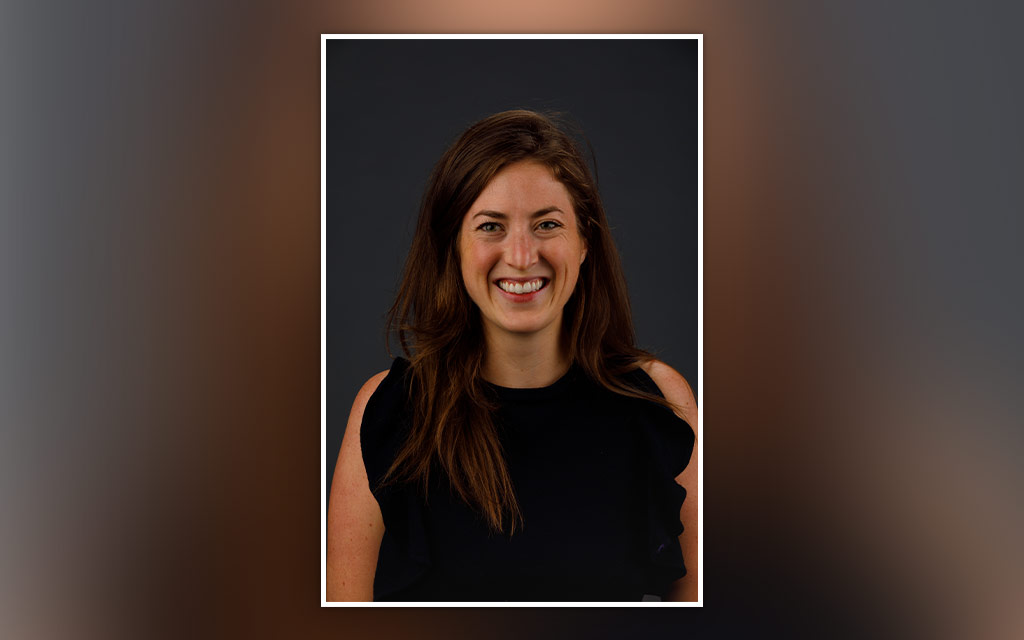
Kate Nesbit, associate professor of English at Central College, has been awarded two prestigious archival fellowships in support of her new book project, “Victorian Alerts: Sonic Notification Technologies in Victorian Literature and Culture.”
Nesbit will receive a short-term fellowship from the Huntington Library in San Marino, California, and a Visiting Fellowship from the Houghton Library at Harvard University — a distinction that reflects the significance of her research. Her work sits at the intersection of Victorian studies, sound studies and the history of technology.
“Victorian Alerts” will examine the rise of bells, alarms and other sonic notification technologies in nineteenth-century literature and culture to trace their legacy in our own era of notification fatigue and digital distraction.
“Cell phone buzzes, car alerts, the constant ding of incoming emails — sonic alerts have become both a sign and symptom of what many consider our current attention crisis,” Nesbit explains. “As someone who researches the politics of sound and listening in the nineteenth century, I became curious about the long history of these anxieties. I want to trace our current concerns back to the many alert technologies invented or popularized in the 1800s such as doorbells, mechanical alarm clocks and servant bell systems.”
Nesbit is on sabbatical to work on her research. At the Huntington Library, she will examine an extensive collection of British satirical prints and cartoons, including approximately 50 prints she has identified that feature bells and alarms. She hopes these images will illuminate how sonic alerts functioned both practically and symbolically in nineteenth-century life. At Harvard’s Houghton Library, Nesbit will study nineteenth-century theatre promptbooks — annotated production scripts used to coordinate lighting, music, performer movements and other cues — to explore how bells operated as backstage communication devices and theatrical sound effects in Victorian playhouses.
